[ Client ]
[ Client ]
Leading Real Estate Developer
Leading Real Estate Developer
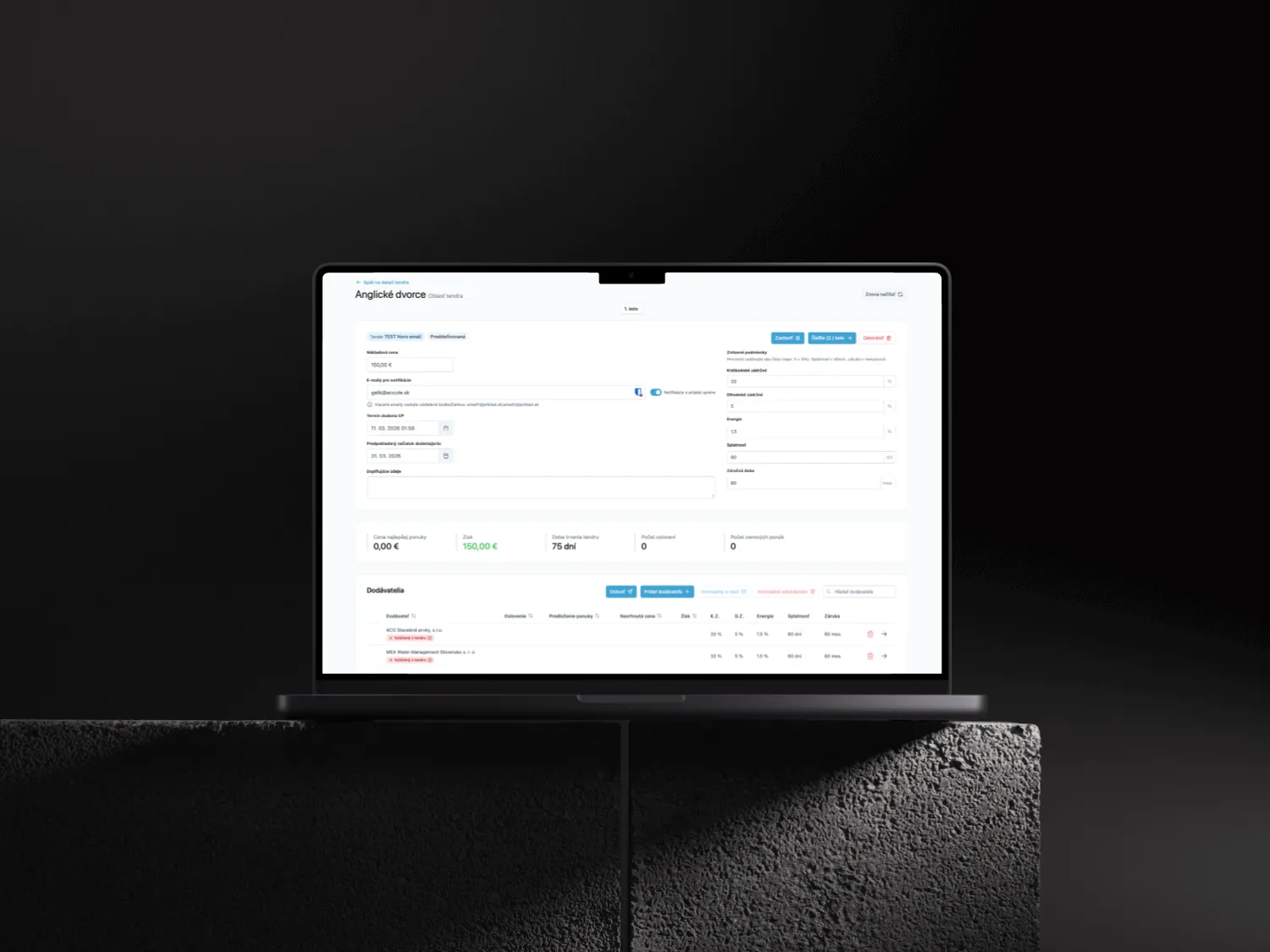
Procurement control for a company where one corrupt tender costs more than the system itself.
Procurement control for a company where one corrupt tender costs more than the system itself.
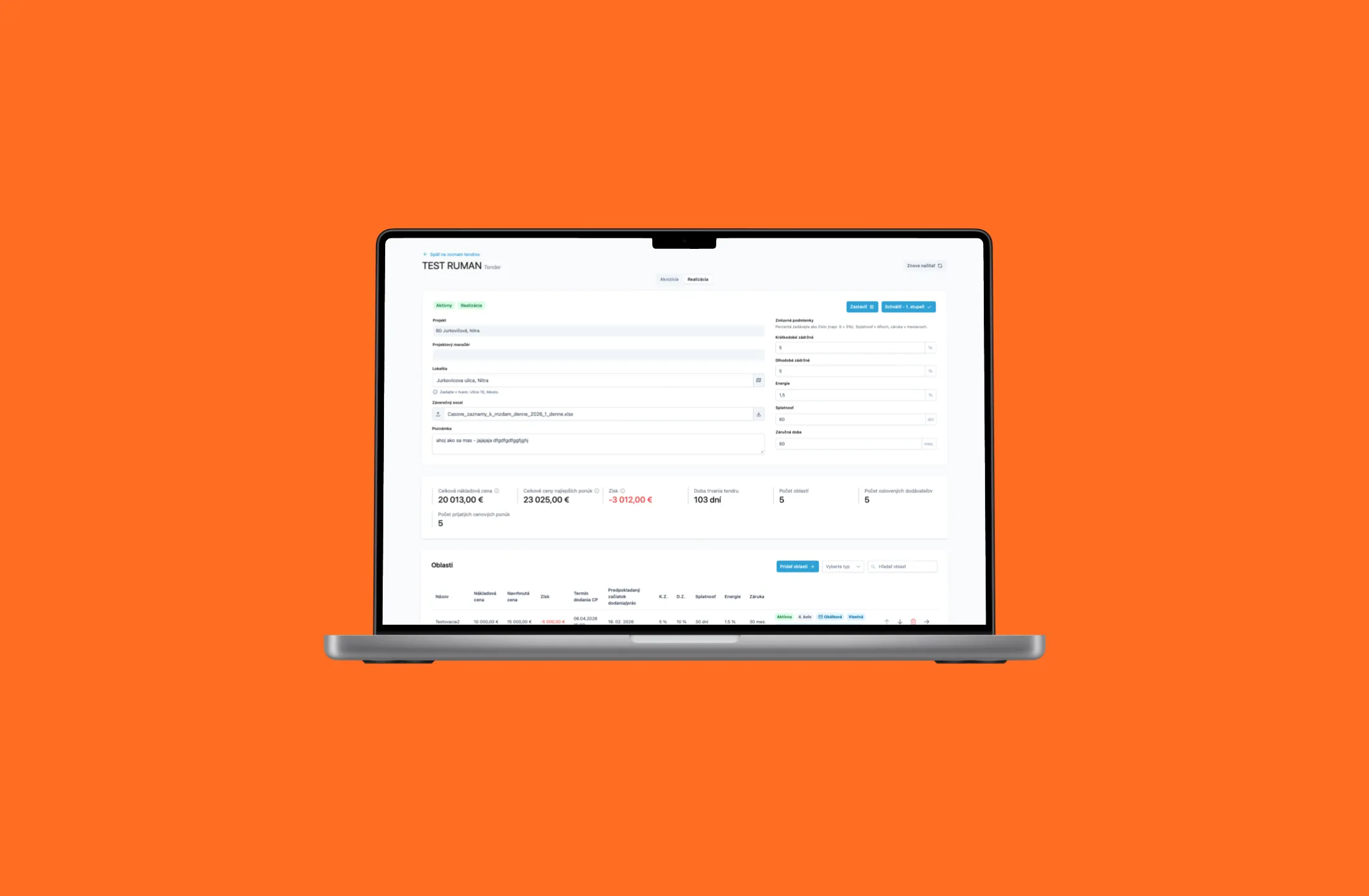
For one of Slovakia's leading real estate developers running dozens of simultaneous projects across multiple trades, we built a centralised tendering platform that eliminated informal procurement, sealed bids against manipulation and gave management full visibility into every subcontractor decision.
For one of Slovakia's leading real estate developers running dozens of simultaneous projects across multiple trades, we built a centralised tendering platform that eliminated informal procurement, sealed bids against manipulation and gave management full visibility into every subcontractor decision.
A system that closes the gap where money disappears.
A system that closes the gap where money disappears.
A system that closes the gap where money disappears.
Milions of €
in subcontractor contracts processed annually
ZERO
tenders where bid manipulation is structurally possible
100%
of procurement communication on record without any personal inboxes, no missing history
100%
single points of failure removed with all the knowledg in the system, not in people
[ Results ]
Milions of €
in subcontractor contracts processed annually
ZERO
tenders where bid manipulation is structurally possible
100%
of procurement communication on record without any personal inboxes, no missing history
100%
single points of failure removed with all the knowledg in the system, not in people
"In construction procurement, the risk isn't just inefficiency. It's the tender nobody can explain afterward."
"In construction procurement, the risk isn't just inefficiency. It's the tender nobody can explain afterward."
"In construction procurement, the risk isn't just inefficiency. It's the tender nobody can explain afterward."
[ PROCUREMENT INFRASTRUCTURE ]
[ PROCUREMENT INFRASTRUCTURE ]
[ PROCUREMENT INFRASTRUCTURE ]
The place where construction companies lose money is now controlled.
In large-scale development, procurement fraud and informal influence rarely look dramatic. They look like a preferred vendor getting the documentation first. A bid that arrives slightly after the deadline and gets accepted anyway. A project manager who "just knows" which subcontractor to use.
In large-scale development, procurement fraud and informal influence rarely look dramatic. They look like a preferred vendor getting the documentation first. A bid that arrives slightly after the deadline and gets accepted anyway. A project manager who "just knows" which subcontractor to use.
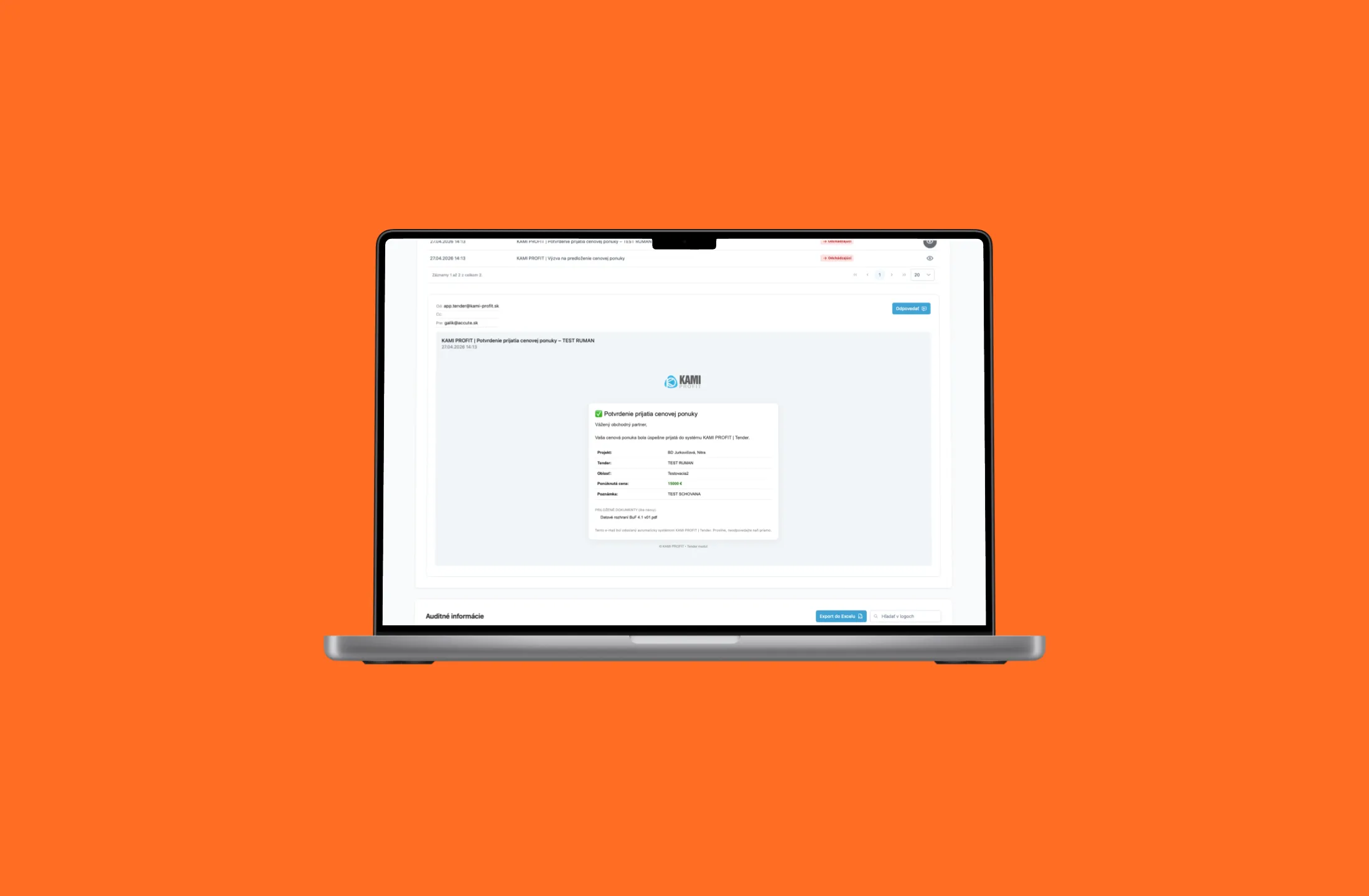
The platform enforces the process whether or not the right person is present. Invitations go out on schedule, documentation reaches every subcontractor simultaneously, and no bid can be seen before the submission window closes. Informal influence has nowhere to enter.
The platform enforces the process whether or not the right person is present. Invitations go out on schedule, documentation reaches every subcontractor simultaneously, and no bid can be seen before the submission window closes. Informal influence has nowhere to enter.
In large-scale development, a single corrupt tender doesn't just cost money. It sets the precedent for every contract that follows.
In large-scale development, a single corrupt tender doesn't just cost money. It sets the precedent for every contract that follows.
[ YEAR ]
[ CATEGORY ]
2025 - ongoing
2025 - ongoing
Enterprise Software Procurement & Operations
Enterprise Software Procurement & Operations
Enterprise Software
Enterprise Software
[ INDUSTRY ]
[ COMPLIANCE ]
Real Estate Development
Real Estate Development
Full Audit Trail
Full Audit Trail
Critical Infrastructure
Critical Infrastructure
GDPR
GDPR
ISO/IEC 27001
ISO/IEC 27001
[ CATEGORY ]
Enterprise Software Procurement & Operations
Enterprise Software
[ YEAR ]
2025 - ongoing
[ INDUSTRY ]
Real Estate Development
Critical Infrastructure
[ COMPLIANCE ]
Full Audit Trail
GDPR
ISO/IEC 27001
[ COMPLIANCE & AUDIT ]
[ COMPLIANCE & AUDIT ]
[ COMPLIANCE & AUDIT ]
Built so that every decision can be defended. In writing. Years later.
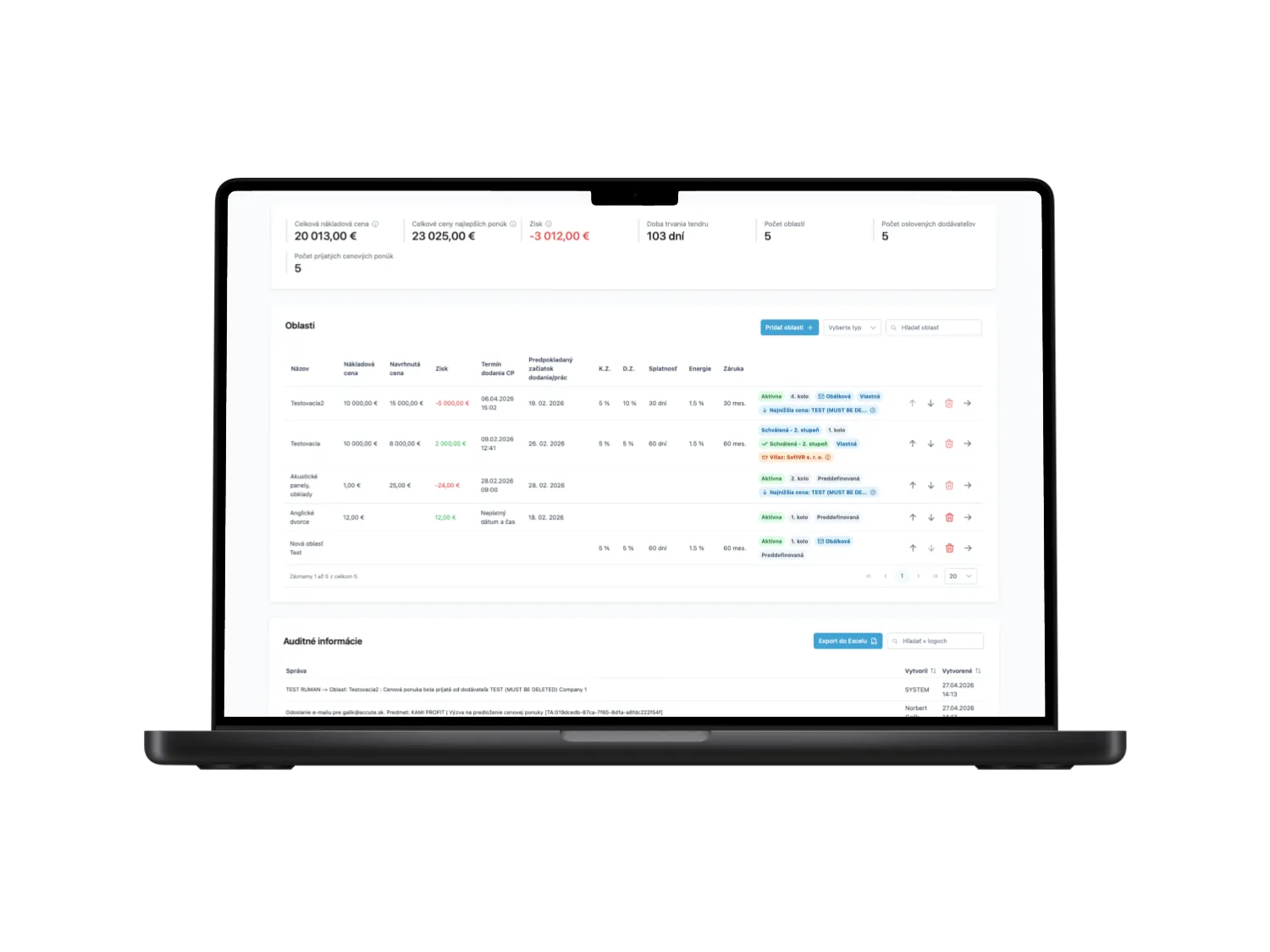
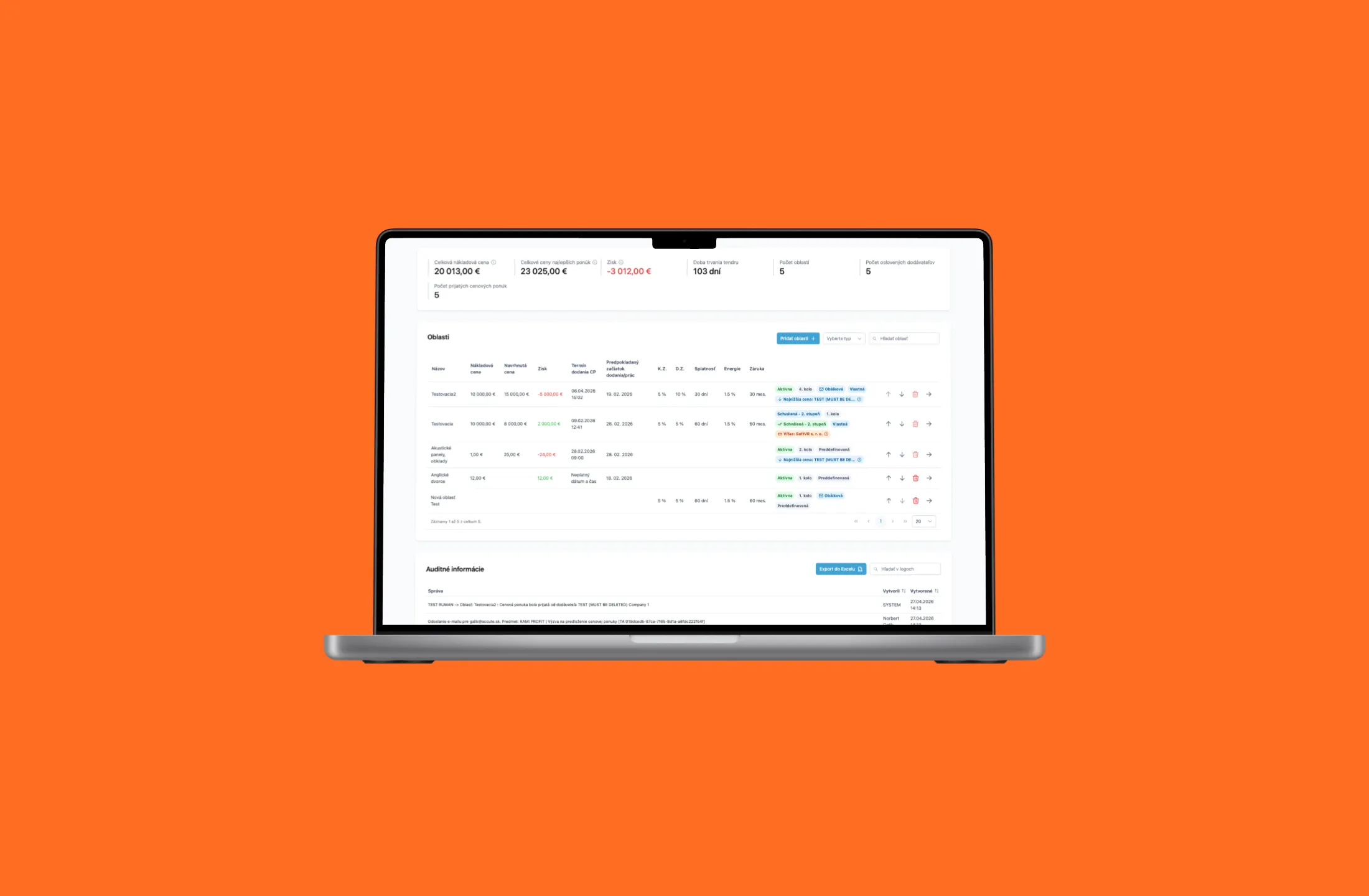
Construction procurement is exposed to internal audit, external review, and in some segments, regulatory scrutiny. The question is never just who won the tender. It is whether the process was fair, documented, and defensible. The platform generates a complete, immutable audit trail for every procurement event: who was invited and when, what documentation they received, when and how they submitted, and on what basis the evaluation was made.
Construction procurement is exposed to internal audit, external review, and in some segments, regulatory scrutiny. The question is never just who won the tender. It is whether the process was fair, documented, and defensible. The platform generates a complete, immutable audit trail for every procurement event: who was invited and when, what documentation they received, when and how they submitted, and on what basis the evaluation was made.
Management has full visibility. No reconstruction required. Every project manager change is operationally irrelevant. The history is in the system. The decisions are on record. The company can answer any question about any tender immediately.
Management has full visibility. No reconstruction required. Every project manager change is operationally irrelevant. The history is in the system. The decisions are on record. The company can answer any question about any tender immediately.
The company now operates procurement as a controlled, repeatable business process, not a function that depends on the right person being available and trustworthy.
We didn't just need a procurement tool. We needed a system that made informal influence structurally impossible.
[ OPERATIONAL IMPACT ]
[ OPERATIONAL IMPACT ]
[ OPERATIONAL IMPACT ]
Less exposure. More decisions per project manager.
Before the platform, procurement scale meant linear growth in coordination overhead. More projects required more people managing more spreadsheets across more inboxes. The system inverted that relationship.
Before the platform, procurement scale meant linear growth in coordination overhead. More projects required more people managing more spreadsheets across more inboxes. The system inverted that relationship.
Project managers run more tenders with less coordination overhead. The system handles invitations, reminders, submission tracking, and evaluation documentation leaving the project team focused on the decision, not the process around it. As the company scales across more projects and trades, the platform scales with it without adding headcount to procurement.
Project managers run more tenders with less coordination overhead. The system handles invitations, reminders, submission tracking, and evaluation documentation leaving the project team focused on the decision, not the process around it. As the company scales across more projects and trades, the platform scales with it without adding headcount to procurement.
[ BUILT FROM THE INSIDE ]